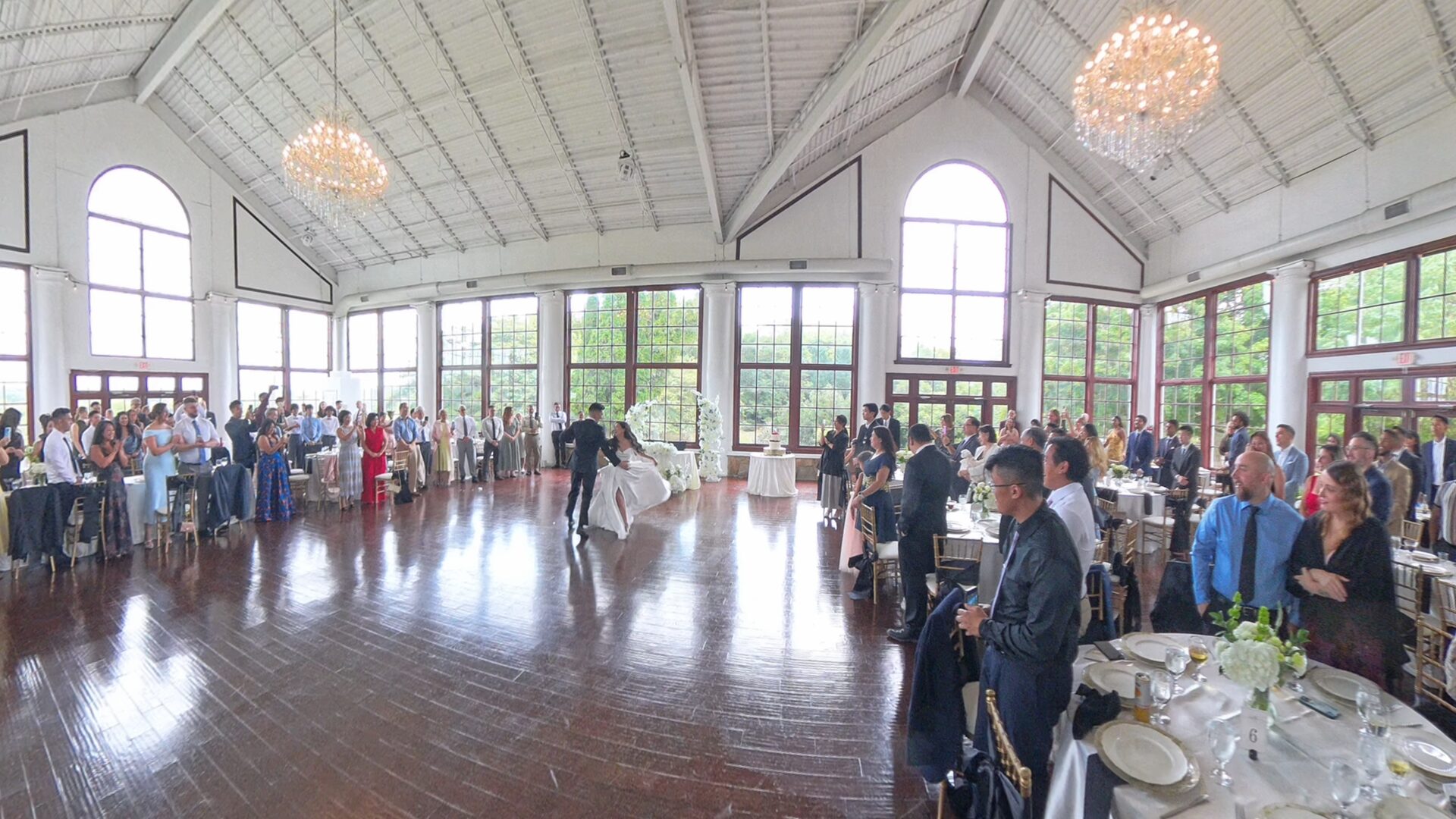
Big moments don’t need big choreography. They need clean execution.
When grand entrances, first dances, and parent dances feel awkward, it’s usually because of one of these:
- unclear staging (“Where do we stand?”)
- long intros and dead air
- lighting that’s too dark (or too harsh)
- song lengths that drag
- lack of coordination with photographer/planner
This guide gives you a simple playbook so your big moments feel effortless.
The goal: confident, calm, and camera-ready
For every big moment, you want:
- the couple feels comfortable
- guests understand what’s happening
- vendors are in position
- the moment starts on time and ends cleanly
That’s it. Everything else is optional.
Grand entrance: keep it short and intentional
Decide your entrance style
Common options:
- full bridal party intros
- couple-only entrance
- “soft entrance” (no announcements, just join the room)
There’s no “right.” Choose what feels like you.
The most important entrance detail: names
Confirm in writing:
- pronunciations
- titles (Mr./Mrs., last names)
- the order of intros
Time-saver: keep intros moving
If you’re doing bridal party intros:
- avoid long “walk-ins” per pair
- use one consistent structure (name + role)
- keep the music energetic but not overpowering
First dance: the 3 choices that make it feel great
1) Song length
Most couples love the idea of a full song… until they’re 2:45 in and realize it feels long.
Recommendation:
- fade around 2:30–3:00 unless you truly want the full track
2) Start point
Some songs have long intros. Decide whether you want:
- intro (builds anticipation), or
- start at vocals (gets to the emotion faster)
3) Lighting
First dance looks best with:
- warm, flattering light
- a soft spotlight or focused wash
- reduced room brightness (not total darkness)
If lighting matters, ask your entertainment team how they handle “moment lighting.”
Parent dances: keep them meaningful and tight
Parent dances can be emotional, especially when there’s complicated family dynamics.
To keep them smooth:
- do them back-to-back with first dance
- keep them short (fade is fine)
- confirm who is participating (especially for blended families)
If you’re doing multiple parent dances, a quick transition announcement helps guests follow.
The simplest “big moments” sequence (that flows)
This order works well for many weddings:
- Grand entrance (optional)
- Welcome
- First dance
- Parent dances
- Toasts (or toast earlier during dinner)
- Open dancing
The logic: do the “spotlight” moments, then open the floor while energy is high.
How to avoid awkward pauses (the biggest killer)
Awkward pauses usually come from:
- waiting for catering readiness
- waiting for photographer to get set
- trying to find the right people (parents, bridal party)
Fix:
- stage people 2–3 minutes in advance
- confirm readiness before announcing
- have a point-person if family tends to wander
The bottom line
Your big moments don’t have to be “perfect.” They just need to be well-run.
With short, intentional choices like song edits, staging, and coordination, you’ll feel comfortable and your guests will feel connected.
If you want help building a big-moments plan that fits your timeline and venue, we’re happy to help.
Next step: Contact us.
FAQs
Should we shorten our first dance song?
Most couples are happier when the song is shortened to around 2:30–3:00. It keeps the moment sweet and avoids “now what?” feelings.
Do we have to do a grand entrance?
No. Many couples skip it or do couple-only. Choose what feels authentic.
How do we make parent dances less awkward?
Keep them short, stage participants ahead of time, and put them in a sequence that makes sense for your family dynamics.